
GCP Marketplace
Listing AI Agents on Google Cloud Marketplace
How ISVs list AI agents and AI products on Google Cloud Marketplace — product types, the agent motion, pricing models, and co-selling with Google.
Guides, teardowns, and playbooks for ISVs listing and selling on AWS, Azure & GCP marketplaces. Written by the team behind 60+ live listings.
How ISVs list AI agents and AI products on Google Cloud Marketplace — product types, the agent motion, pricing models, and co-selling with Google.
An ISV's guide to the Microsoft commercial marketplace — Azure Marketplace vs AppSource, transactable offers, private offers and MPO, and how MACC drawdown really works.
How ISVs list and monetize data products on AWS Data Exchange — product types, subscription mechanics, revision automation, and how it differs from software listings.
A scoring rubric ISVs can use to gauge co-sell readiness — AE enablement, ACE and Partner Center hygiene, field relationships, and offer mechanics — before chasing cloud-sourced pipeline.
A framework for measuring the Operations Tax — the hidden recurring cost of running cloud marketplace operations by hand across AWS, Azure, and GCP.
A practical guide to the AWS GovCloud Marketplace — the FedRAMP posture, GovCloud accounts, and procurement paths public-sector buyers require to transact.
A numbers-first comparison of AWS Marketplace pricing models — SaaS Contract, Contract with usage, and Pay-As-You-Go — and how each shapes cash flow, forecasting, and risk.
How AWS Marketplace Vendor Insights security profiles work, what they contain, and how ISVs use them to compress enterprise security review from weeks to a click.
A plain-English guide to what an ISV partner is, how ISVs differ from resellers and SIs, and how AWS, Azure, and GCP partner tiers actually work.
A week-by-week AWS Marketplace seller guide for your first 30 days — what to set up, in what order, and the FTR-review patterns that quietly slow new ISVs down.
How the AWS agent marketplace changes the listing motion for ISVs — how agent products differ from SaaS listings, plus review and pricing points to prepare for.
A working operator's guide to the AWS Marketplace Management Portal (AMMP) — how listings, private offers, metering, and disbursements actually behave, and the checks that stop a live listing from leaking revenue.
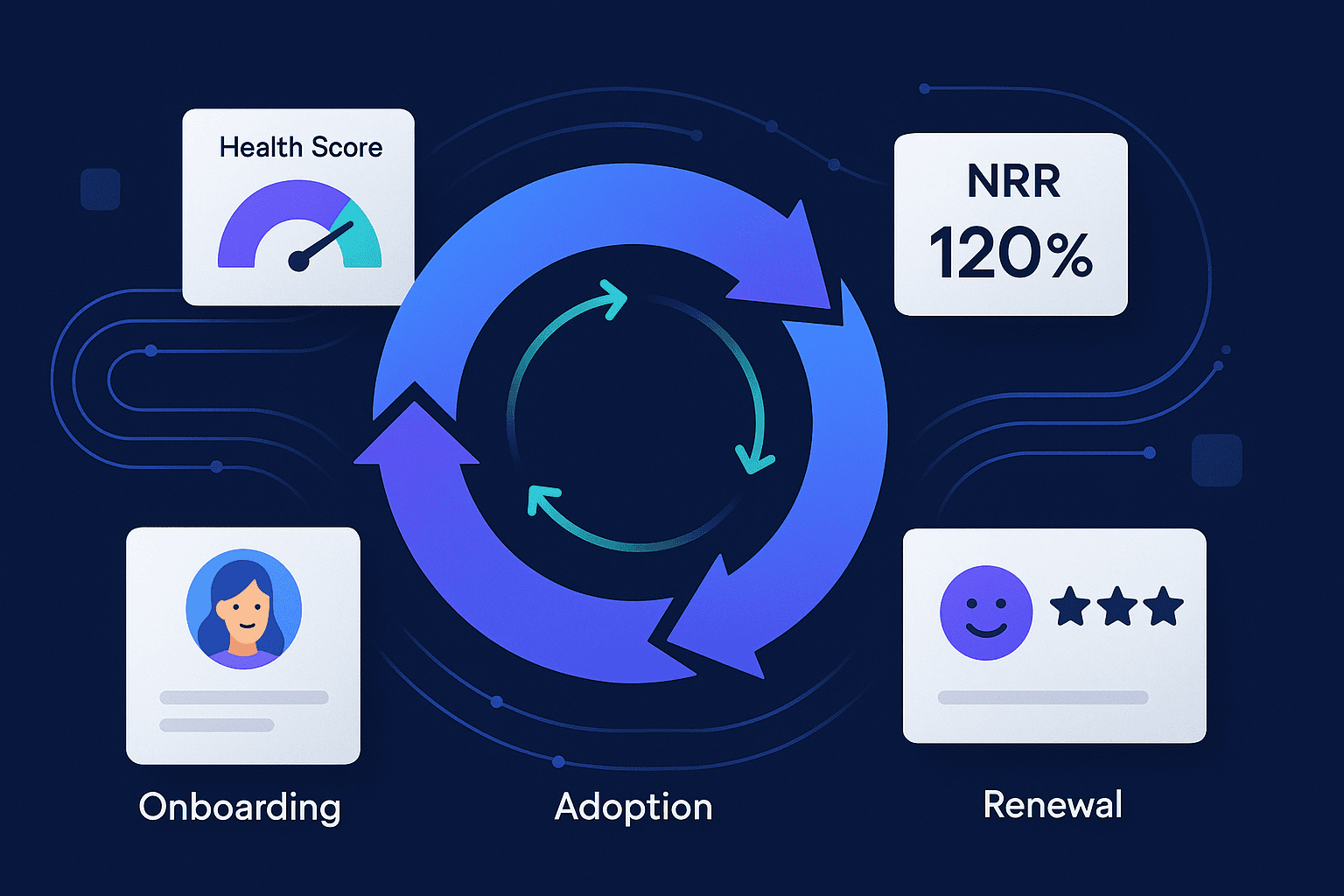
Marketplace customer success program design: churn signals, health scores, renewal playbooks, upsell strategies, and NRR benchmarks for ISVs selling through clo
The definitive GCP Marketplace seller playbook for 2027. Listing types, pricing models, CUDs, co-sell strategies, and optimization tips for ISVs.

Marketplace free trial conversion strategies: trial types, per-marketplace differences, onboarding optimization, and pricing psychology. Benchmarks: 15-30% tria
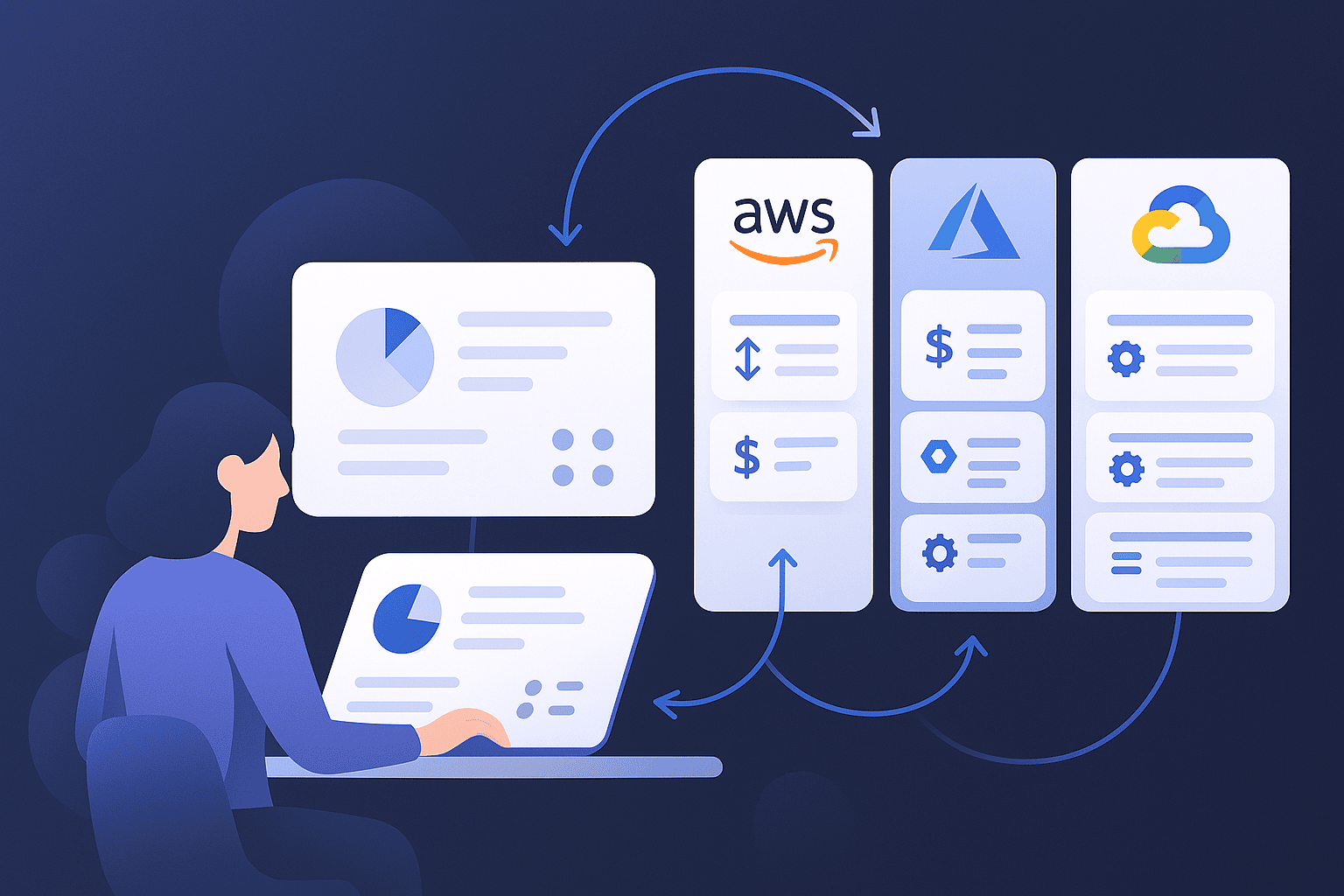
Operational guide for managing marketplace listings across AWS, Azure, and GCP. Version sync, pricing parity, metering reconciliation, and team structure for mu
Fintech cloud marketplace compliance guide: SOC 2, PCI DSS, SOX, and GDPR requirements. AWS Financial Services Competency, Azure FSI programs, and pricing strat
Honest comparison of 7 cloud marketplace platforms in 2026: Automatum, Tackle, Invisory, WorkSpan, Labra, Suger, and Clazar. Features, pricing, and fit criteria

Automatum vs WorkSpan comparison: marketplace GTM platform vs ecosystem management. Different use cases for marketplace listing, co-sell, and partner ecosystem
AWS EDP lets enterprises commit to AWS spend for discounts. Learn how ISV marketplace purchases count toward EDP commitments and how to leverage EDP in your sal

Automatum vs Invisory comparison: platform automation vs consulting-led approach. Listing speed, co-sell enablement, private offers, and ongoing marketplace man
Automatum vs Labra comparison: flat pricing vs free tier with AI feature gates. CRM integration, private offers, co-sell management, and pricing transparency co

Automatum vs Suger comparison: both zero revenue share platforms. Marketplace coverage, metering automation, private offers, CRM integration, and pricing compar
Automatum vs Tackle.io comparison: pricing models, CRM integrations, marketplace coverage, co-sell management, and private offer workflows for cloud GTM platfor

4-phase marketplace growth roadmap: Foundation (first listing), Activation (co-sell and private offers), Expansion (second cloud), and Scale (multi-cloud operat

Cloud marketplace analytics framework: pipeline metrics, conversion rates, revenue tracking, and retention KPIs. Build a one-page marketplace dashboard for your
Disconnected CRM and marketplace systems cause revenue leakage and pipeline blind spots. Learn integration patterns for Salesforce, HubSpot, and cloud marketpla

Complete guide for healthcare SaaS vendors listing on cloud marketplaces. HIPAA compliance, BAAs, FedRAMP, HITRUST, pricing strategies, and step-by-step listing

Cybersecurity companies on cloud marketplace: compliance requirements (SOC 2, FedRAMP, CMMC), GovCloud listings, security buyer personas, and AWS Security Compe
MACC drawdown lets buyers use Azure committed spend on your software. Learn how MACC eligibility works, how to identify MACC prospects, and sales conversation t
90-day marketplace renewal playbook: why customers drift off-marketplace, renewal mechanics per cloud, auto-renewal settings, and strategies to prevent off-chan

Should you build marketplace integration in-house or use a platform? Engineering cost analysis, timeline comparison, and decision framework for ISVs.

AWS Marketplace metering lets you charge based on actual consumption. Learn metering dimensions, reporting cadence, pipeline architecture, and common pitfalls f
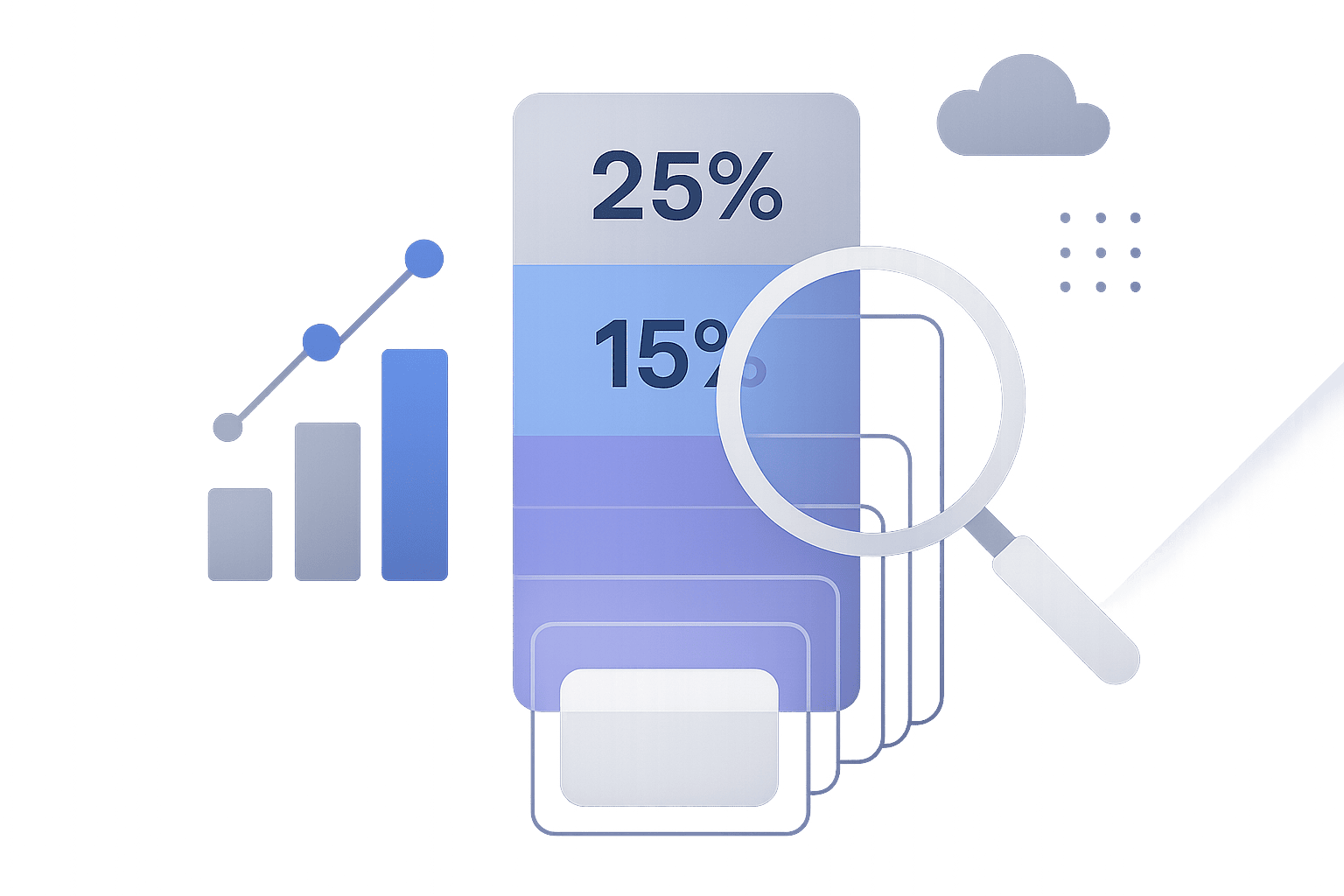
Cloud marketplace fees range from 3-5% per transaction. Compare AWS, Azure, and GCP commission rates, payment terms, fee reductions, and net revenue impact for
Azure MPOs let ISVs, CSP partners, and enterprise customers transact together through Microsoft's commercial marketplace. Setup process, pricing, and channel st
A practical framework for prioritizing, sequencing, and managing multi-cloud marketplace listings on AWS, Azure, and GCP without spreading your team thin.

Why your sales team resists cloud marketplace and how to get buy-in. Three key numbers: 30-40% faster cycles, 20-30% higher ACV, 60% higher win rates on marketp

Cloud marketplace playbook for data and analytics ISVs. Pricing models for data products, BigQuery and Redshift integration, co-sell strategies, and listing opt

How AI companies should list and price products on cloud marketplaces. Per-token, per-seat, consumption, and hybrid pricing models for AI SaaS on AWS, Azure, an
Learn how AWS CPPO lets channel partners create private offers on your behalf. Three-party flow, fee structure, setup steps, and best practices for ISV channel
Cloud marketplace glossary with 50 essential terms every ISV needs. EDP, MACC, CPPO, ACE, metering, private offers, co-sell, and FTR explained in plain language
Cloud marketplace revenue recognition under ASC 606: gross vs net reporting, principal vs agent analysis, fee treatment, and board reporting best practices for

Azure co-sell has three tiers: Listed, Co-Sell Eligible, and IP Co-Sell. Learn the requirements, benefits, and MACC eligibility for each tier and how to progres

The 9 most common AWS Marketplace listing mistakes ISVs make, from wrong pricing models to broken metering. Based on 60+ ISV listings. Each mistake includes a f
Co-selling with AWS, Azure, and GCP is the highest-leverage growth motion for ISVs. This playbook covers co-sell registration, pipeline building, and scaling th

Google Cloud Marketplace is the fastest-growing and least crowded cloud marketplace. Learn GCP incentive programs, listing types, buyer profiles, and co-sell st

How cloud marketplace buying actually works. The 5-stage buyer journey from discovery to post-purchase, including committed spend dynamics and private offers.

Enterprise procurement guide for cloud marketplace buying. Step-by-step workflow, private offer evaluation, committed spend optimization, and vendor governance

Master cloud marketplace private offers across AWS, Azure, and GCP. Learn CPPO, MPO, pricing strategies, and best practices from 60+ ISV listings.

Everything you need to know about AWS ISV Accelerate: qualification requirements, co-sell mechanics, fee reductions, Seller Prime perks, and how to maximize the
Cloud marketplace listing costs $150K-$300K per marketplace for engineering. Full cost breakdown covering metering, billing integration, and ongoing maintenance
Microsoft Marketplace changes in 2026: marketplace unification, AI Apps category, App Accelerate program, MPO updates, and MACC expansion. What ISVs need to kno

Step-by-step guide to listing your software on AWS Marketplace in 2026. Partner registration, FTR, listing types, pricing, metering, and going live explained.

Compare AWS Marketplace, Azure Marketplace, and GCP Marketplace across commission rates, co-sell programs, committed spend, buyer base, and listing complexity.

Prepare for AWS Summit Sydney 2026. Sessions to attend, PDM meeting prep, pre-summit listing checklist, and 48-hour follow-up window for ISVs on AWS Marketplace

Cloud marketplaces now process $45B+ in annual B2B software transactions. 2026 trends: marketplace unification, AI-native listings, committed spend expansion, a
Cloud marketplaces facilitate over $45B in annual B2B software transactions. Learn how AWS, Azure, and GCP marketplaces work, committed spend mechanics, and co-
Unlock global growth by listing your product on AWS Marketplace—no US citizenship required. This guide by Automatum walks you through how to incorporate a US co

Learn how to collaborate with AWS for co-selling opportunities, navigate the ACE program, work with the right AWS partner teams, and automate your AWS Marketpla

At Automatum, we've successfully facilitated the listing of over 60 products on the AWS Marketplace. Drawing from our wealth of experience, we're excited to sha

Software sales is one of the most challenging roles in today’s tech landscape. In fact, research shows that the average tenure for a software sales rep is less

The digital transformation wave has catapulted cloud platforms to prominence, with AWS shining as a beacon for businesses worldwide. The AWS Marketplace, in par

Discover the key benefits of co-selling with AWS, Azure, and GCP — plus the mistakes that cost ISVs months of pipeline, and a step-by-step playbook for automati

In the digital era, cloud marketplaces have emerged as a powerful tool for IT buyers and sellers. They offer a streamlined platform for discovering new vendors,

In the digital age, the way customers acquire software has undergone a significant transformation. As a technical professional who has often stepped into sales
Learn which pricing model fits your SaaS and how to price for AWS, Azure, and GCP marketplaces. Subscription, usage-based, hybrid, and BYOL strategies explained
GCP Marketplace Private Offers let ISVs close enterprise deals against committed CUD spend. Setup process, pricing, deal structure, and best practices for Googl
Try a different keyword or clear the active filter.
30 minutes with a cloud GTM expert. Walk away with a 14-day plan to your first marketplace deal — even if today you have zero listings.
